Navigate
Yoga Teacher Blind Spot: Teaching Inclusive Classes
Yoga Teacher Blind Spot: Teaching Inclusive Classes
You want to support everyone, but you can't figure out how to do it!

In a perfect world, this would be one of the top priorities in your average yoga teacher training: How to teach in a way that everyone feels included, supported and welcomed just as they are.
There are many teacher trainings out there that may have that intention but teach an approach to yoga and yoga asana that focuses on specific alignment cues for each pose and formulaic approaches to sequencing.
This approach to yoga means that the classes move people towards achieving certain goals or outcomes, where everyone has to try to fit into the pose rather than the pose being adapted to the person. This leaves people (and maybe you've even felt this in your experience of yoga or even in your teacher training) feeling like they have to measure up to a certain ideal from the clothes they wear, how they move, or what they can or can't do in any particular pose. That classic comment of "I'm not flexible enough to do yoga" reflects this.
As you know, the heart of the yogic teachings are so much more than yoga asana. Yoga invites us to learn more about who we are, building confidence and acceptance of ourselves. As yoga teachers, we need to create that same deeper work of yoga in our classes through inclusivity.
Creating Inclusive Classes:
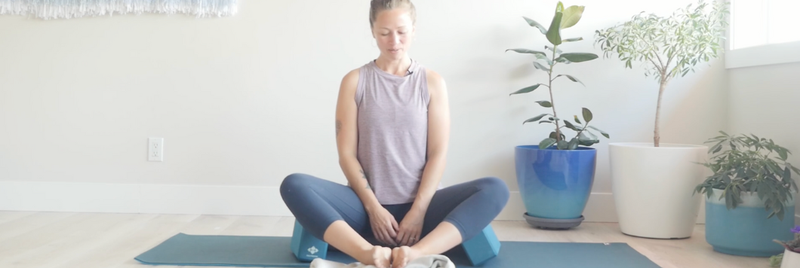
Here are two things you can do right away to create more meaningful and welcoming classes for all.
1. Language. The types of cues that we use, the way that we describe options for people, how we describe using blocks, and gendered language can make more of an impact than we may realize. For example, instead of saying things like "For the more advanced version, do this" it's inclusive to say "Here are different options for the pose, choose whichever feels best for you today."
2. Understanding human movement. This one is often overlooked but vitally important because the more you know about how the joints and muscles move (and need to move for sustainable health and reduced injury) the easier it is for you to adapt the different poses no matter who is your class. When you have a strong foundation of education around mobility, active and passive movements, applied anatomy, your classes are no longer cookie-cutter with outdated cues. You get to create classes that are dynamic, functional and more focused on helping people feel better in their body- no matter what their abilities are.
Start with exploring more about these two aspects of inclusive classes and you will notice a difference right away!
For more ideas for inclusive classes take a listen to these this podcast episodes, from season two of the Heart and Bones Podcast:
Heart + Bones Yoga Teacher Certification
There is a growing demand for innovative yoga teachers who teach mobility over flexibility with intelligent sequences for a wide range of people. Teachers who are committed to keeping yoga a living tradition, relevant to our modern life while honouring the heart of yoga.
Ready to go beyond your typical yoga teacher training?
Our Heart + Bones Yoga Teacher Certification is designed to help you grow, not just as a yoga teacher, but as a confident, authentic leader in your community. Here’s how you’ll stand out:
- Honour the tradition: Learn how to uphold yoga’s time-honoured teachings while offering classes that are inclusive and avoid cultural appropriation.
- Teach sustainable practices: Gain a deeper understanding of the ‘why’ behind traditional cues and adapt them for accessibility, making your teaching more sustainable and safe for all.
- Bridge theory and practice: Feel confident in applying movement education and anatomy to real-life classes, so you can offer variations that work for every body.
- Master sequencing: Develop the skills to adapt poses and sequences in a way that is safe, accessible, and welcoming to all levels.
- Build a connected community: Grow alongside like-minded teachers and mentors in a supportive environment that helps you refine your teaching and find your unique voice.
It’s time to expand your impact and teach in a way that feels aligned with your values—this is yoga teacher training, redefined.